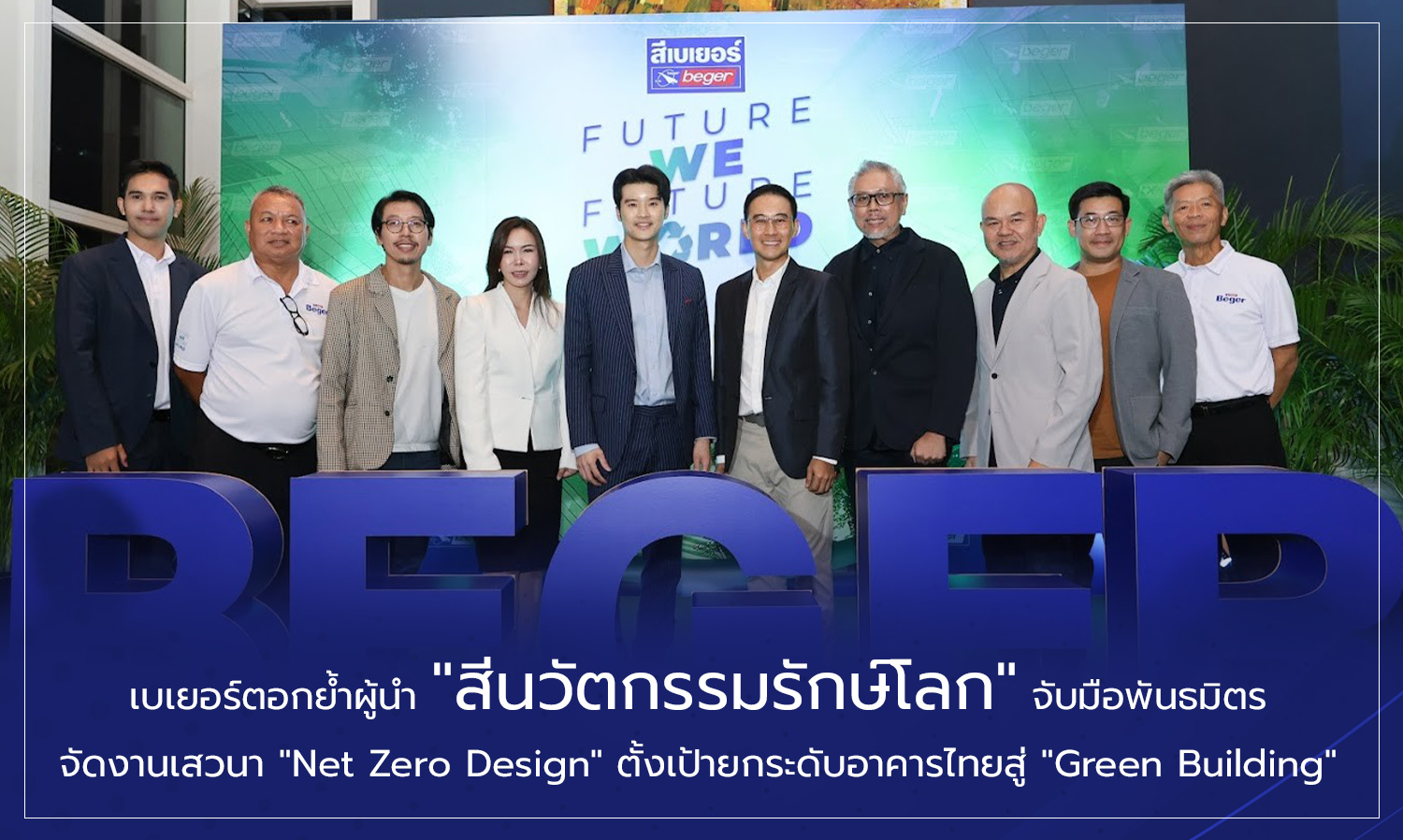
Beger Reinforces Its Leadership in Eco-Friendly Color Innovation, Partners with Allies to Host 'Net Zero Design' Seminar Aiming to Elevate Thai Buildings to Green Building Standards
Beger, a leader in eco-friendly color innovation for over six decades, continues its commitment to 'Eco-Wellness Innovation'—a concept that emphasizes environmentally friendly and health-conscious products. The company has collaborated with partners in the supply chain to organize the 'Net Zero Design' seminar, aiming to contribute to the development of Thai buildings into green, eco-friendly structures.
The 'Net Zero Design' seminar was honored to have Mr. Nakarin Wankijpaiboon as the host. The event received a warm response from many architects and designers who are keen to push Thailand towards 'Green Building'. Dr. Worawat Chaiyosburanat, CEO of Beger Group, stated that Beger is committed to developing innovative, high-quality paint that meets consumer demands while aligning with global trends focused on health and environmental friendliness under the 'Eco-Wellness Innovation' framework. This collaboration with partners in both the public and private sectors aims to promote building development that aligns with the country's goals to reduce greenhouse gas emissions and move towards becoming a 'Green Building'.
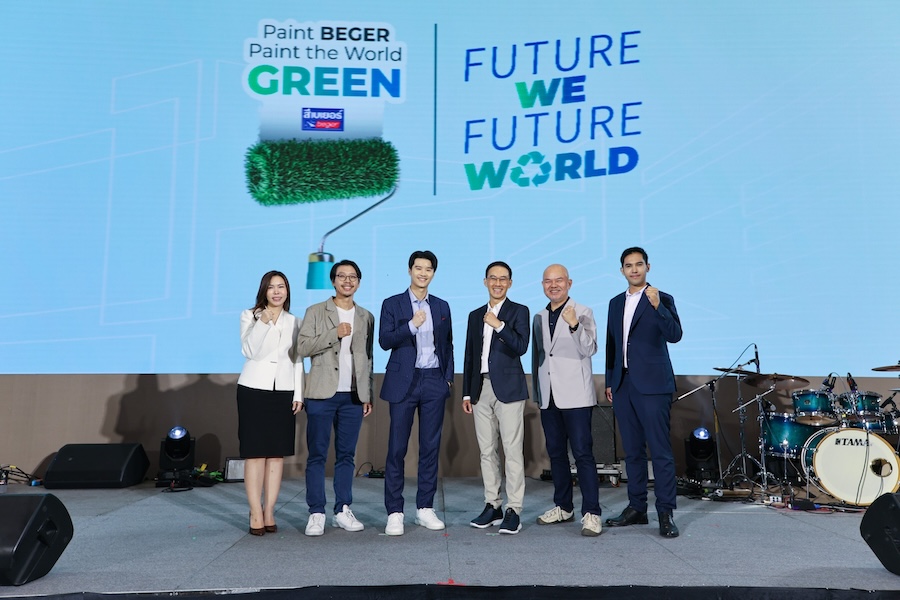
Dr. Chakkrit Luangjareonrat, Executive Director of Gensler (Thailand) Co., Ltd., mentioned that the development and design aimed at creating 'Green Buildings' has become a trend that all sectors must pursue together. Gensler incorporates technology into its designs to ensure they fit the context of the buildings. However, achieving 'Green Building' requires collaboration across the entire business supply chain, presenting a significant challenge for collective adaptation. The company has previously worked with partners who prioritize sustainability, such as Beger, which is committed to sustainable products. Thus, this marks a positive start towards creating 'Green Buildings' in Thailand together.
Ms. Amornrat Dechudomsap, a green building expert and consultant for the Green Building Market Transformation project, stated that 'Green Building' has become a necessity, no longer just a trend, as legal regulations are now in place. Buildings and construction are among the primary causes of greenhouse gas emissions today, making it imperative to accelerate development in this area. For instance, Beger has begun developing environmentally friendly products. However, the key challenge today is not only to rapidly develop buildings into eco-friendly structures through technology but also to instill a mindset and behavior among executives and employees in various buildings to collaboratively develop 'Green Buildings', which will lead to sustainable development.

Asst. Prof. Dr. Sappawat Jatuphatwarangkoon, Digital Practice Leader at Aurecon Thailand, remarked that the concept of 'Green Building' is not new, and it is crucial for the basic health of design work, serving as a key challenge to enhance living conditions. Today, environmentally conscious design must create frameworks for action to elevate and establish international standards, such as ensuring good living conditions and reducing energy consumption. However, design work alone cannot achieve the reduction of greenhouse gas emissions in the construction industry; it requires collaboration across the entire business supply chain.
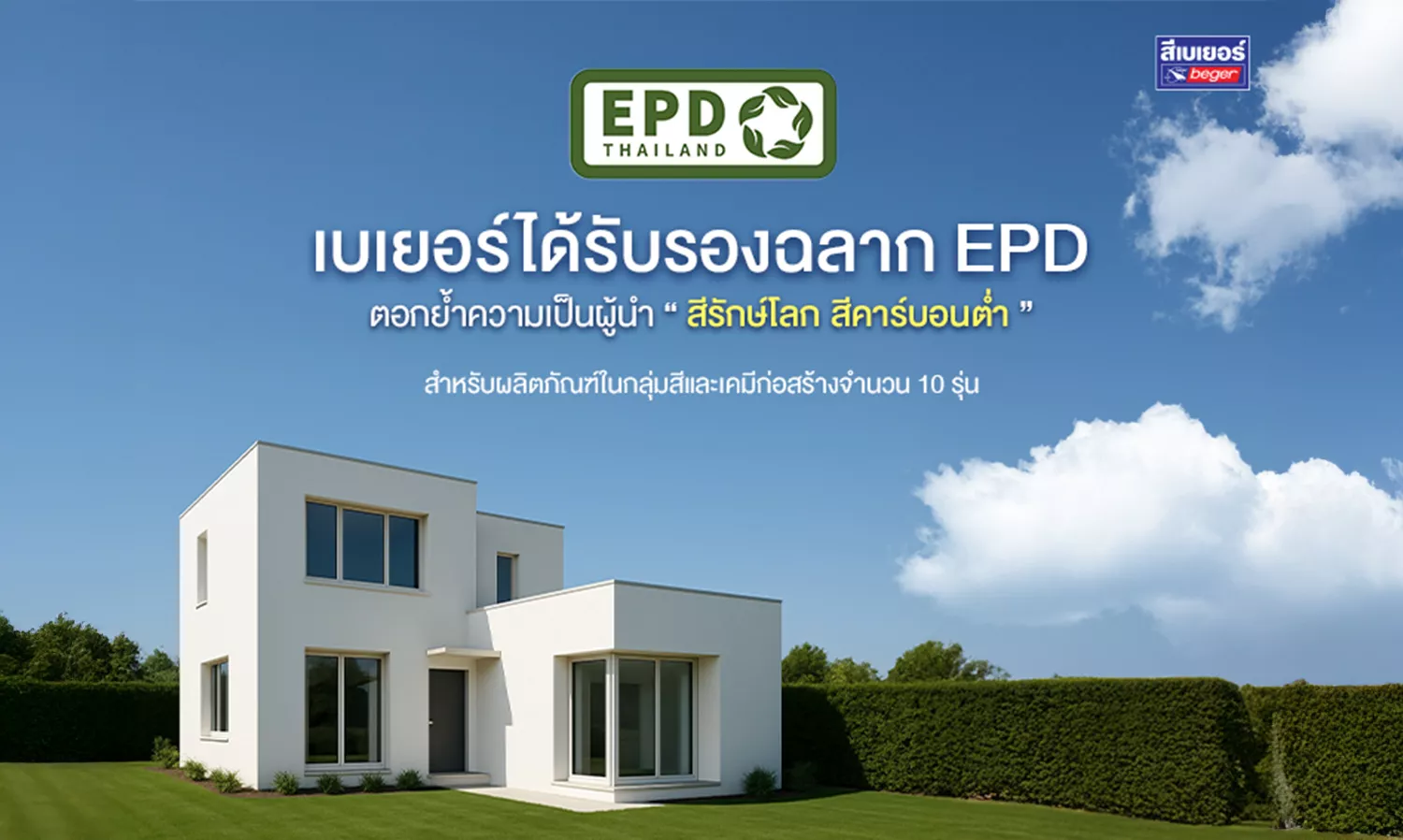
Dr. Worawat added that for the development of 'Net Zero Design' in the construction and building paint industry, Beger focuses on reducing greenhouse gas emissions throughout all processes, from raw material selection to production, delivery, and post-use of products. The company has developed a range of products that align with this initiative, including ceramic cooling technology that reflects up to 97.2% of solar heat and does not emit VOCs, which can react with sunlight to form greenhouse gases. Importantly, Beger is committed to creating a model for eco-friendly buildings, particularly in paint production, which requires significant electricity. Beger has reduced electricity consumption by installing solar panels on building rooftops and has utilized bio-based compounds to replace some petroleum-derived raw materials to reduce pollution. To date, Beger has helped reduce carbon dioxide emissions by 336,600,000 kilograms of CO2 equivalent (kgCO2e), equivalent to planting over 5,500,000 mature trees. This is a significant step for Beger towards becoming a green building and a green business, aligning with the goal of achieving net-zero greenhouse gas emissions by 2050.
During the event, Beger also gifted trees to all attendees through the EcoMatcher application, totaling 1,000 trees planted in Krabi province. This initiative, in collaboration with EcoMatcher, aims to promote environmental sustainability by gifting trees to partners and participants in the 'Net Zero Design' event, with the important goal of contributing to the creation of a 'Carbon Offset' source for global society in the future.
The event concluded with a lively performance by Atom Chanakan, who entertained guests with music.